TechOK





Data recovery after physical damage
Data recovery from a damaged disk in Prague is one of the common areas of work in the field of digital diagnostics and service recovery of information. Mechanical damage, liquid intrusion into the device, overheating, or electronic defects pose an increased risk of losing critically important information. In such situations, data is threatened not only due to file structure failure but also due to actual damage to components, without which reading is impossible. Nevertheless, even in severe cases, provided that special equipment and the necessary skills of specialists are used, a significant portion of the information can be successfully recovered. Therefore, it is important to contact the TechOK service center as quickly as possible, where specialists will perform diagnostics and determine the causes of the failure.
Physical damage to storage devices is classified according to the nature of occurrence and intensity. The most common are falls and impacts, which cause damage to the board, disruption of the reading block function, or the creation of so-called “bad sectors.” Hard drives are particularly vulnerable, as their mechanical design is sensitive to the slightest vibrations during operation. When a disk falls from even a small height, the head can touch the surface of the platter, creating damaged areas where part of the information becomes inaccessible, and replacement of the magnetic head block is necessary.
A separate type of physical damage involves electronic issues. Voltage fluctuations, short circuits, controller failure, or board element failure can cause the disk to be completely unrecognized by the system. In such cases, chip replacement, microcontroller replacement, recovery of the hermetic block, or firmware updates are required. Such repair of a physically damaged HDD in Prague is carried out only in specialized laboratories, as any amateur intervention can overwrite service data or permanently destroy the media structure.
The influence of liquids is equally dangerous. The intrusion of water, condensate, or other moisture causes corrosion of contacts, oxidation of traces, and destruction of sensitive elements. It is very important not to turn on the device after it has been wet, as a charge can lead to a short circuit. Data recovery after flooding in Prague requires careful cleaning of the board, drying under controlled conditions, and recovery of damaged elements before specialists can create an image of the storage device.
In the case of physical damage, the main goal of specialists is to obtain the most accurate copy of the media — a sector image. The work is performed not on the original but on its duplicate, which minimizes risks. Special equipment allows reading data from damaged zones, attempting to repeat the operation multiple times to obtain even partial information from hard-to-access sectors. Based on such an image, reconstruction of file structures, searching for fragments, recovery of catalogs, and reconstruction of damaged files is performed. The cost of recovering physical damage in Prague is affordable for everyone and directly depends on the complexity of the work and the volume of data.
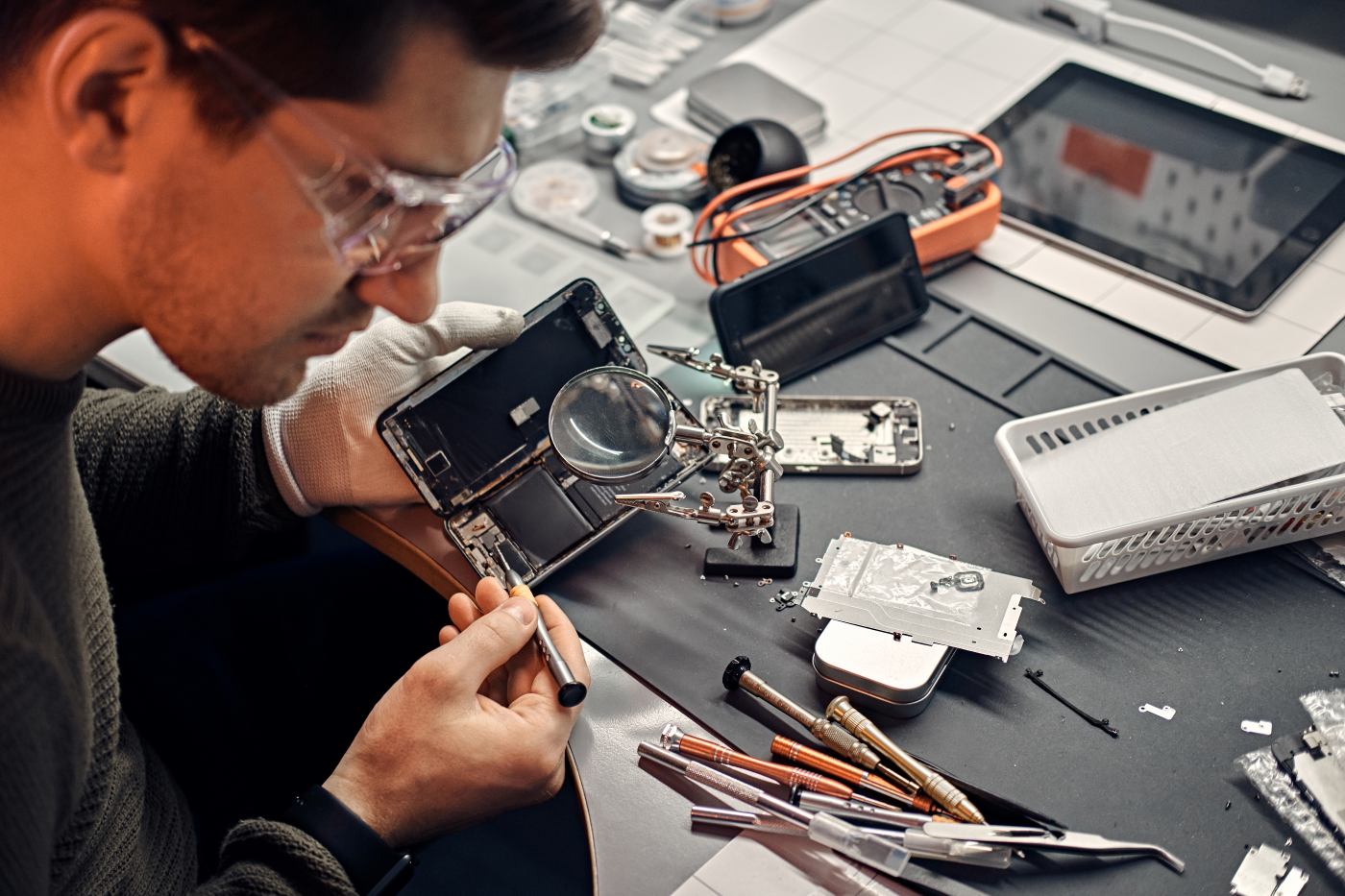
Particularly complex are cases where the media suffers so-called “deep” damage — for example, scratches on magnetic platters or significant destruction of NAND cells in SSDs and flash drives. In such situations, part of the data may be permanently lost; however, modern algorithms allow for extracting the maximum possible. In particular, specialists sometimes read information directly from the chip in flash memory, bypassing the damaged electronics. This process is called “chip-off” and is one of the most difficult, as it requires chip removal, selection of reading modes, and manual reconstruction of the data field. The work is carried out in laboratory conditions, necessarily in a clean room and using special equipment.
Users also make mistakes that significantly worsen the chances of successful recovery. Dangerous are repeated attempts to turn on the damaged disk, hitting the case, heating the storage device, or using third-party programs that promise quick recovery. In reality, any unprofessional actions can overwrite service information or permanently destroy the media, making recovery practically impossible.
The success of recovery after physical damage depends on the speed of response, the correctness of the user’s actions, and the level of professionalism of the specialists. With the right approach, it is possible to recover photos, documents, archives, videos, and other valuable information, even if the storage device appears completely “dead,” such as recovery after a fire. It is important not to take risks but to entrust such cases to specialized laboratories, where work is carried out using microscopes, engineering stations, and precise diagnostic equipment.